
Best Cyber security Course in Chandigarh
Cybercrime isn’t slowing down and neither is the demand for people who can stop it. At Netmax, our Cyber Security Course in Chandigarh takes you from the basics of how attacks actually happen to hands-on work with tools like Kali Linux, Nmap, and Wireshark, so you’re not just memorizing concepts you’re spotting real vulnerabilities before they become real problems.
You’ll cover network security, threat analysis, and incident response the way it actually plays out on the job — through labs and live scenarios, not slides. By the time you’re done, you’ll know how to think like both the attacker and the defender, which is exactly what employers are hiring for.
Ready to get started? Join our Cyber Security Course at Netmax Technologies, Chandigarh.

50+ Modules Series
Earn a Certification that demonstrates your expertise.
Beginner Level
No previous experience with coding is required
5.5 months
1.5 hours/day class
Flexible Schedule
Online/ Offline both modes of classes available.
Master Cyber Security with Netmax's Course in Chandigarh
Cyber threats aren’t going away, and neither is the need for people who know how to stop them. Netmax’s Cyber Security Course in Chandigarh gives you hands-on training with real tools Kali Linux, Nmap, Wireshark so you’re learning to actually detect and respond to threats, not just read about them. Whether you’re starting from zero or already work in IT and want to specialize, the course covers network security, ethical hacking, and incident response the way it’s actually practiced on the job.
Chandigarh itself is leaning into this the city’s Cyber Swachhta Mission brings police, academia, and industry together to push cyber awareness locally, which says a lot about how seriously the region is taking security right now.
What You'll Learn in Our Cyber Security Course
- Default Installations
- Buffer Overflows
- Design Flaws
- Application Flaws
- Default Passwords
- Jump Cloud
- Secure link
- Immersive Labs
Cyber Security Course Overview
Introduction to Networking
What is Computer Networking?
- Types of Networks (LAN, WAN, MAN, PAN)
- Network Topologies (Bus, Star, Ring, Mesh, Hybrid)
- Client–Server vs Peer-to-Peer models
- Importance of Networking in Cyber Security
Network Models
- OSI Model (7 Layers)
- Physical, Data Link, Network, Transport, Session, Presentation, Application
- Functions of each layer with practical examples
- TCP/IP Model
- Layers and mapping with OSI model
- IP addressing and packet flow
IP Addressing & Subnetting
Introduction
- IPv4 Addressing: Classes (A, B, C, D, E)
- Public vs Private IP addresses
- Subnetting basics and calculations
- CIDR (Classless Inter-Domain Routing)
- Supernetting
- Hands-on practice: creating subnets for organizations
Networking Devices
- Switches, Routers – functionality and differences
- Access Points, Gateways, and Modems
- Packet filtering devices and network taps
Routing & Switching
- VLANs and Trunking
- Spanning Tree Protocol (STP) basics
- Routing fundamentals (Static vs Dynamic)
- Routing Protocols (RIP, OSPF, EIGRP, BGP)
- Default Gateway, Route Tables, and Path Selection
Protocols & Communication
Every platform has its own rules.
- Facebook & Instagram Ads
- LinkedIn for B2B marketing
- Content calendar creation
- Measuring social ROI
Wireless Networking
- Basics of Wi-Fi standards (802.11 a/b/g/n/ac/ax)
- Wireless security protocols (WEP, WPA, WPA2, WPA3)
Introduction to Linux
- History of Linux & Open Source Software
- Difference between Windows & Linux
- Linux Distributions (Ubuntu, CentOS, Kali, Parrot OS, Amazon Linux)
- The Linux Kernel – Role and importance
- Linux File System Hierarchy (/, /bin, /etc, /usr, /home, /var, /tmp, /opt)
- Linux Boot Process (BIOS -> Bootloader -> Kernel -> Init/Systemd)
USER & GROUP MANAGEMENT
- Creating & Managing Users (useradd, passwd, usermod, userdel).
- Creating & Managing Groups (groupadd, gpasswd, id).
- User Switching (su, sudo).
- Configuring sudo privileges (visudo, etc.).
- Analyzing Authentication Logs & Security Events.
- Monitoring Open Ports & Connections.
BASH SCRIPTING & AUTOMATION
- Introduction to Shell Scripting.
- Variables, Operators, & Arrays.
- Input & Output (echo, read).
- Conditionals (if, else, case).
- Loops (for, while, until).
- Functions in Bash .
- Writing automation scripts:
1. User creation script
2. Backup automation script
3. Log monitoring script
LINUX SECURITY & HARDENING
- Password Policies & Account Security.
- File Integrity Monitoring (AIDE).
- Disabling Root Login & Using sudo.
- Configuring Firewalls & iptables rules.
- Brute-force Attack Protection (Fail2Ban).
- Security Enhanced Linux (SELinux) & AppArmor.
- Linux Audit Framework (auditd).
ADVANCED LINUX FOR CYBER SECURITY
- Working with Services (Apache, Nginx, MySQL, PHP on Linux).
- SSH Hardening & Key-based Authentication.
- Chroot Environment for Isolation.
- Container Basics (Docker on Linux).
- Linux in Penetration Testing (Kali Linux Tools).
- Linux Forensics (log analysis, recovery, timeline analysis).
INTRODUCTION TO CLOUD & AWS
- Cloud Computing Concepts: IaaS, PaaS, SaaS.
- Benefits of Cloud (Scalability, Elasticity, Cost Savings).
- AWS Global Infrastructure:
1. Regions, Availability Zones (AZs), Edge Locations - Shared Responsibility Model (AWS vs Customer.
- AWS Free Tier Overview.
- Hands-on: Setting up AWS Free Tier Account.
AWS IDENTITY & ACCESS MANAGEMENT (IAM)
- IAM Users, Groups, Roles, and Policies.
- Multi-Factor Authentication (MFA).
- Access Keys & Secure AWS CLI Authentication.
- IAM Best Practices for Security.
- Hands-on: Creating Users, Groups, and Assigning Policies.
Compute Services
Amazon EC2 (Elastic Compute Cloud):
- Instance Types & Families
- Launching & Connecting to EC2 (Linux & Windows)
- Security Groups, Key Pairs, Elastic IPs
- EC2 Storage: EBS, Instance Store, Snapshots
- Auto Scaling &= Elastic Load Balancing
- Amazon Lightsail: Simple hosting & applications
- AWS Lambda: Serverless computing, Functions, Event-driven execution
- Hands-on Labs: Launch EC2, Configure Apache/Nginx, Deploy Lambda function
Hands-On Labs & Projects
- File permission & ownership lab
- Writing bash scripts for automation
- Configuring a Linux firewall
- Setting up & securing SSH
- Linux log analysis for security monitoring
- Deploying a secure web server on Linux
AWS Storage Services
- Amazon S3 (Simple Storage Service):
- Buckets, Objects, Permissions, Versioning
- S3 Lifecycle Policies, Glacier for Archival
- Static Website Hosting on S3
- Amazon EBS (Elastic Block Store) – Volumes, Snapshots
- Amazon EFS (Elastic File System) – Shared file system for EC2
- AWS Storage Gateway Backup Solutions
- Hands-on: Hosting a static website on S3
Databases
- Amazon RDS (Relational Database Service): MySQL, PostgreSQL, Oracle, SQL Server, Aurora
- Backups, Multi-AZ, Read Replicas
- Amazon DynamoDB: NoSQL Key-Value Store
- Amazon Redshift: Data Warehousing
- Amazon ElastiCache: Redis & Memcached
- Hands-on: Deploy RDS MySQL and connect with an application
AWS Networking & Content Delivery
- Amazon VPC (Virtual Private Cloud):
- Subnets (Public vs Private)
- Route Tables, Internet Gateway, NAT Gateway
- Network ACLs & Security Groups
- Elastic IPs & PrivateLink
- Amazon Route 53: Domain Registration & DNS
- AWS CloudFront: Content Delivery Network (CDN)
- Load Balancers: Application (ALB), Network (NLB), Gateway LB
- Hands-on: Creating a VPC with Public & Private Subnets
Security & Compliance
AWS Security and Compliance
- AWS Shared Responsibility Model (Deep Dive)
- Identity Federation (SSO, Active Directory Integration)
- AWS KMS (Key Management Service) & Encryption
- AWS WAF (Web Application Firewall)
- AWS Shield (DDoS Protection)
- AWS GuardDuty (Threat Detection & Monitoring)
- AWS Inspector & Security Hub
- Hands-on: Setting up IAM, enabling GuardDuty, applying WAF rules
Monitoring & Management
- Amazon CloudWatch: Monitoring metrics, creating alarms, logs
- AWS CloudTrail: Tracking API Calls & User Activities
- AWS Config: Resource Configuration & Compliance
- AWS Trusted Advisor: Best practice checks
- AWS Systems Manager: Automation, Patching, Session Manager
- Hands-on: Create a CloudWatch Alarm for EC2
DevOps & Automation
- AWS CLI (Command Line Interface)
- AWS SDKs (Python Boto3, Node.js, Java)
- AWS CloudFormation (Infrastructure as Code)
- AWS Elastic Beanstalk (App Deployment)
- CI and CD Pipelines with AWS CodeCommit, CodeBuild, CodeDeploy, CodePipeline
- Integration with Jenkins & GitHub
- Hands-on: Deploy a web app using Elastic Beanstalk
Advanced AWS Services
- Amazon ECS & EKS: Container Management (Docker & Kubernetes)
- AWS Fargate: Serverless Containers
- Amazon API Gateway: Managing APIs
- Amazon SNS & SQS: Messaging & Queues
- Amazon Step Functions: Workflow Orchestration
- Amazon CloudFront + WAF for Secure Web Delivery
- Hands-on: Deploy containerized app using ECS
AWS for Cyber Security & Ethical Hacking
- Hardening AWS EC2 & VPC Security
- Incident Response in AWS
- Cloud Pentesting Basics (legal aspects & AWS scope)
- Logging & Monitoring for Security Incidents
- Secure S3 buckets (Avoiding Misconfigurations)
Projects & Labs
- Deploying a Multi-Tier Web Application on AWS
- Hosting a Scalable Website with EC2 + RDS + S3 + CloudFront
- Implementing High Availability using Auto Scaling & Load Balancer
- Securing an AWS Environment (IAM, WAF, GuardDuty, CloudTrail)
- Creating a CI/CD Pipeline with CodePipeline & Elastic Beanstalk
- Project: Design a Cloud Architecture for a Startup
Introduction to Cyber Security
- What is Cyber Security?
- Support Group
Linux Setup & Introduction
- Introduction to kali Linux Course
- User Management
- Overview Kali Linux
- Installation
- Exploring newly Installed Kali
- Assignment
Kali Linux Practical -Beginners Phase 1
Kali Linux
- Info
- What is Kali Linux?
- Unix and Linux
- Why Kali?
- Downloading Kali Old
- Types of Installation
- Oracle Virtual Box
- Creating VM
- Kali Linux Terminal basics
- Exploring 300+ Commands
- Permission in Kali Linux
- Shortcuts
- Anonymity
- Proxy-Theory
- Proxy-Practical
- VPN -I
- VPN -II
- VPN -III
- TOR-I
- TOR-II
- TOR-III
- Proxy Chains
- Change IP
- Change Mac
- Macchanger
- Foot printing
- DNS Enumeration
- DNSSenum
- Brute force
- Trace DNS
- NMAP-I
- NMAP-1I
- NMAP-III
Practical -Expert Phase II
- Search exploit
- Website Foot printing
- Vulnerability Analysis
- Live Attack
- Red Hawk
- Security Audit
- Database Assessment
- Password Attack
- Plain Test to Hash
- Password Cracking
- Find my Hash
- Custom Word list
- Crunch
- Hash Generator
- Cracking Password Offline
- Password Protected zip
- THC Hydra
- Medusa
- Sniffing
- Wireshark -I
- Wireshark -II
- Wireshark -III
- Spoofing
- Ettercap-I
- Ettercap-II
- Imp info
- WPA/WPA 2
- Fern
- Metasploit
- Buffer Overview
- Honeypots
- Pent box
- Browser Exploitations Attacks
- BeEF
- SQL Inj -I
- SQL Inj -II
- Window 10
- Window 7
Extensions for Hackers
- Browser Extensions required for hackers
Enumeration
Introduction to Enumerations
- WhoIS enumerations
- Google Droking
- How to Find web Technologies
- Web enumeration
Web Enumeration
- How to use Sodan
- Security Headers
- DNS recon
- NESSUS setup
- Port and CVE Scan with NESSUS
- Collect all urls from website
- Collect all urls Part -2
Subdomain Enumeration
- Source code Download
- Subdomain Enumeration
Subdomain Enumeration for Subdomain Takeover
- Subjack
- Sub 404
HostileSubBruteForce
Port Scanning
Port Scanning
- Port Scanning with Nmap
- SMB enumeration
- SSH enumeration
- SSH exploit
- SMTP enumeration
- HTTP and HTTPS enumeration
- FTP bypass
- Webserver and Enumeration and Exploitation
- Mysql port Exploitation
Web Hacking and Exploitation
- Burp-suite Setup
- Brute-force attack with Burp suite
Detect Firewall
XSS Attack
- XSS attack overview
- Stored XSS attack
- Reflected XSS attack(JSON)
- Reflected XSS attack
- Request Response with Burpsuite
- XSS automation Part 1
- DOM based XSS attack
- XSS automation with file
- XSS automation Part 3
SQL Injection Attack
- Error Based SQL Injection
- Blind SQL Injection
- Blind SQL Injection With Burp-suite and SQLmap
NoSQL Injection
- Knowledge about NoSQL
HTML Injection
- HTML Overview
- HTML Injection using HTMLiHunter
Command Injection
- Command Injection Overview
- Command Injection Basics
- Blind Command Injection
File Upload Vulnerability
- Insecure file upload
- Magic Code Bypass and file upload
IDOR
- IDOR vulnerability
XEE attack
- XEE and XML Injection
TryHackMe Lab Solve(web)
- XSS lab
- IDOR lab
- Part 1 : OWASP Top 10 -2021
- Part 2 : OWASP Top 10 -2021
- Part 3 : OWASP Top 10 -2021
Active Directory
- Active Directory Overview
- Physical Active Directory Overview
- Logical Active Directory
Extra
- Step by Step guide VPN Setting
- How to access Hidden Internet
The Importance of Cybersecurity
- A single data breach can cost a company months of recovery time and lakhs in damages which is why every industry, from banking to healthcare, now treats security as a core function, not an afterthought.
- Cyberattacks aren’t rare anymore they’re a daily reality, and organizations are actively hiring people who can spot and stop them before damage is done.
- Skip cybersecurity, and you’re not just risking data you’re risking customer trust, revenue, and your company’s reputation all at once.

This course includes:
- 6 months duration
- Downloadable resources
- 100 % Practical
- Certificate of Completion
- ISO Cerified Institute Training
- 24 years+ Excellence
- Affordable fees
Why Join Netmax for Cyber Security Course in Chandigarh

Professional Mentors
Learn Agentic AI from mentors skilled in Datascience, analytics, and real industry projects.

Prepare For Certification
Get ready for achieving agentic ai certification with practice questions and expert support.

Flexible Learning Online/ Offline
Practice agentic ai with flexible timing options for students and working learners.

100% Practical Training
Practice agentic ai using real datasets, ai agents, api and hands-on intelligent work.
Latest Curriculum
Learn updated Data Science with agentic ai concepts like ML models and smart AI prompts.

Affordable Fees
Start your agentic ai learning journey with job-focused modules offered at affordable pricing.

Live Expert Session
Join live AI expert sessions to clear doubts and understand ai agents real workflows.

AI- Driven Learning
Improve your agentic AI skills with AI tools that guide learning and practice.
Who is this Program for?
Education
Bachelor’s degree with consistent good academic
Work Exp.
Minimum 6 Months of IT/Non-IT work experience
Career Stage
Early to mid-career professionals interested in data science
Aspirations
Developing skills in data science for future opportunities
Need Free Trial Classes ??
Call us on: +91 8699644644 and take your 2 days free Demo classes
100% Job Assistance Program
Hands on training with real world projects . Designed for students, Freshers and working professionals

LinkedIn Profile Building

Mock Interview

Resume Building Sessions

Job Assistance
Our Student's Reviews
EXCELLENTTrustindex verifies that the original source of the review is Google. It was a great experience at Netmax Technologies.Trustindex verifies that the original source of the review is Google. I have completed digital marketing courses from netmax I recommend to everyone for join the digital marketing courseTrustindex verifies that the original source of the review is Google. I recently completed my Digital Marketing course at Netmax Technologies, Chandigarh, and it has been one of the best learning experiences of my life. The institute provides a very professional and supportive environment that truly encourages growth. My trainer, Ms. Priyanka Sharma, was absolutely outstanding. She taught every skill with exceptional clarity, patience, and depth — making even the most complex topics feel easy to grasp. What made her teaching truly special was her practical, hands-on approach. She didn't just cover theory; she ensured we worked on real-world projects that prepared us for the actual industry. Beyond just completing the curriculum, she personally invested in our overall development as digital marketing professionals. If you're seriously looking to build a career in digital marketing, Netmax Technologies is the place to be — and having a mentor like Ms. Priyanka Sharma makes all the difference! Skills & Tasks Completed SEO (On-Page & Off-Page) Social Media Marketing Google Ads (PPC Campaigns) Email Marketing Content Marketing & Blogging Google Analytics & Reporting Facebook & Instagram Ads Lead Generation Strategy WordPress Website Setup Live Project ExecutionTrustindex verifies that the original source of the review is Google. I have completed data science and advance excel course here teachers are nice , and made it really easy to learnTrustindex verifies that the original source of the review is Google. I recently completed the Python Programming Course at Metamax Technologies, Chandigarh, and it was a very valuable learning experience. The course helped me build a strong foundation in Python programming, starting from basic concepts such as variables, data types, loops, and functions. One of the most useful aspects of the course was the introduction to Python frameworks and libraries. I gained an understanding of how Python is used in real-world applications and learned about different tools that make development easier and more efficient. The practical exercises and hands-on projects helped me apply what I learned and improve my problem-solving skills. The trainers explained concepts clearly and were always available to answer questions. Their guidance made it easier to understand programming logic and write cleaner code. Overall, I highly recommend Metamax Technologies to anyone who wants to learn Python from the basics and develop a solid understanding of its frameworks and applications. The course has significantly improved my programming knowledge and confidence.Trustindex verifies that the original source of the review is Google. Netmax Technology Pvt.Ltd. offerd a great learning environment for data analytics The internship helped me gain practical experience in data analysis, visualization, and dashboard development using industry-standard-tools.Trustindex verifies that the original source of the review is Google. Did core python course from this institution and my experience was great! my trainer pankaj sir and Ashpreet mam were very thorough and helpful to explain their perticular subjects. I would recommend this to all the people thinking about learning python.Trustindex verifies that the original source of the review is Google. Maine mera python ka course kara tha panjak sir was the teacher he is very nice and friendly and I am happy ki maine netmax se karaTrustindex verifies that the original source of the review is Google. “Excellent institute for learning Python from basic to advanced level. Teachers explain every concept clearly with practical examples.”
Cyber Security Course Certification
Benefits of Netmax Certificate
Certify Your Skills
Netmax Industry-oriented Certificate validates the practical skills you have gained during training
Stand out from the competition
Add your Netmax Certificate to your resume and Linkedin profile to stay ahead of the competition
Advance in your Carrer
Share your Certification with employers to highlight your capabilities & Job ready Proficiency

Our Trending Courses





Netmax Technologies Placement Assistance
We at Netmax Technology provide Job Assistance and most of the students have secure their job in various companies. We have tieups with many companies in Tricity.
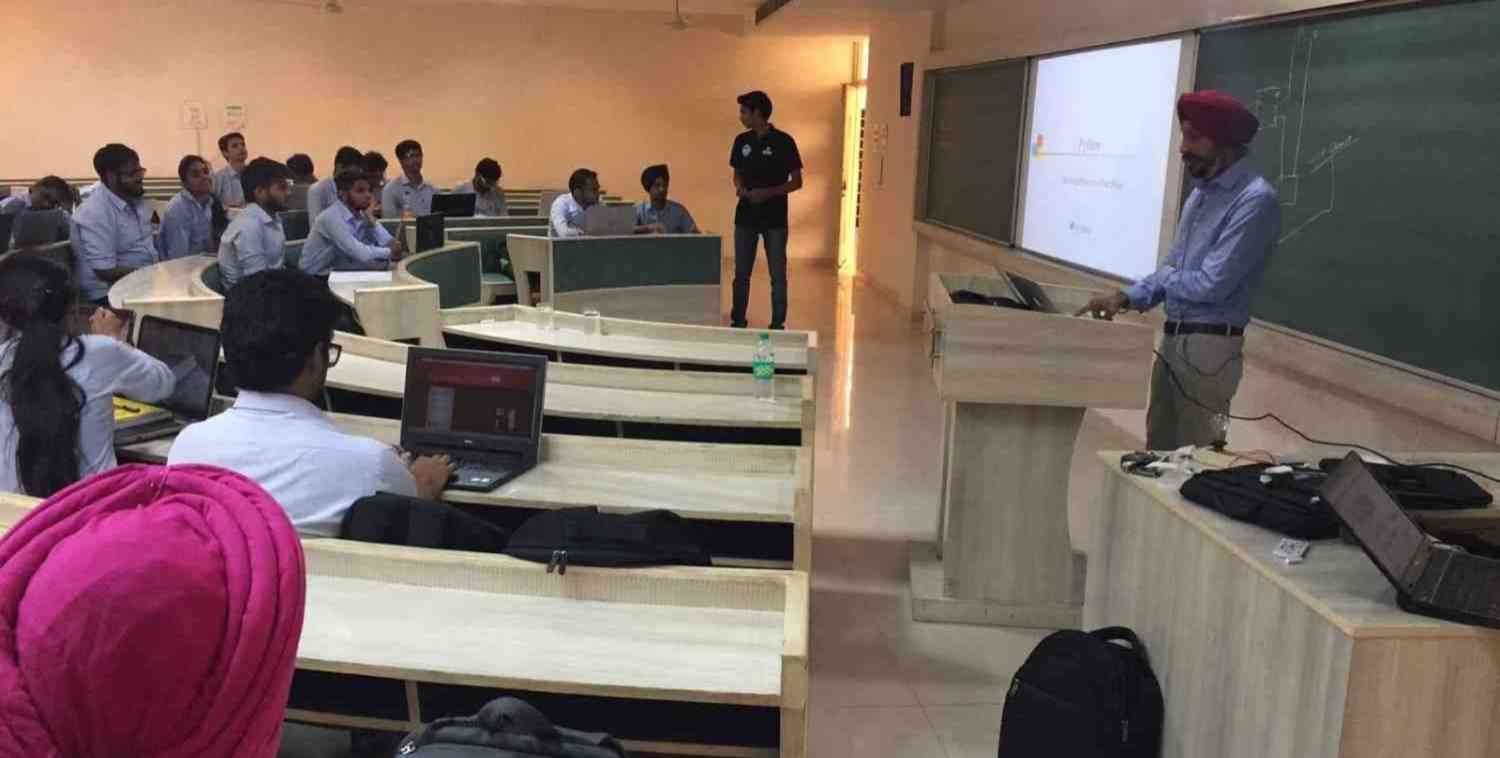
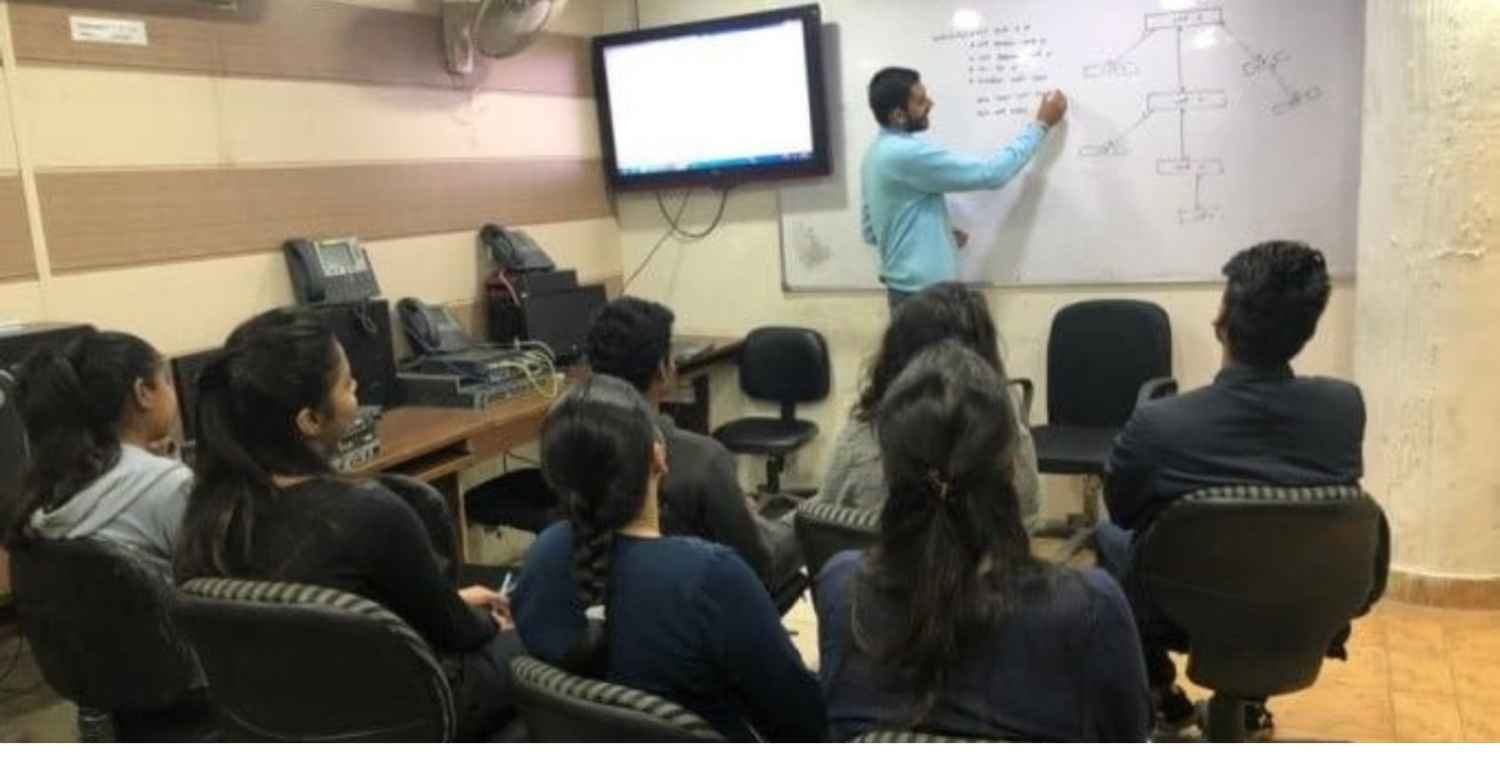
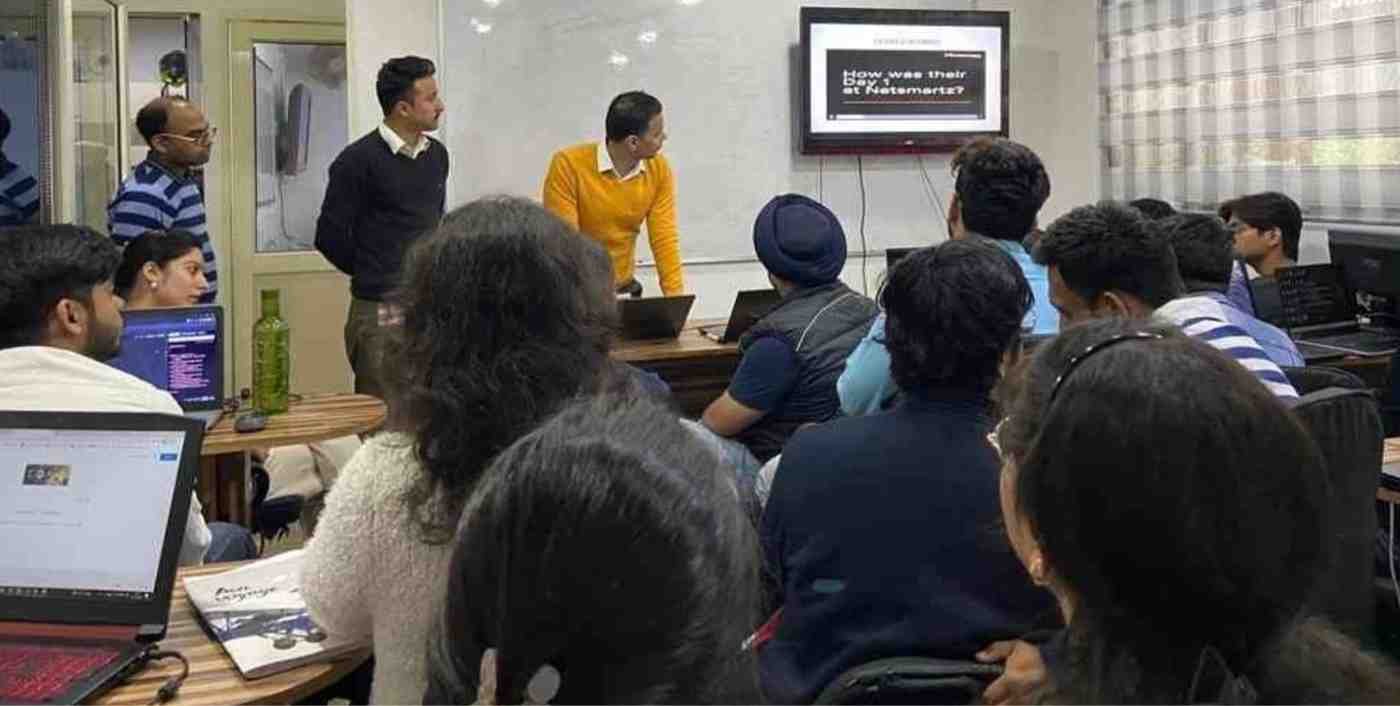
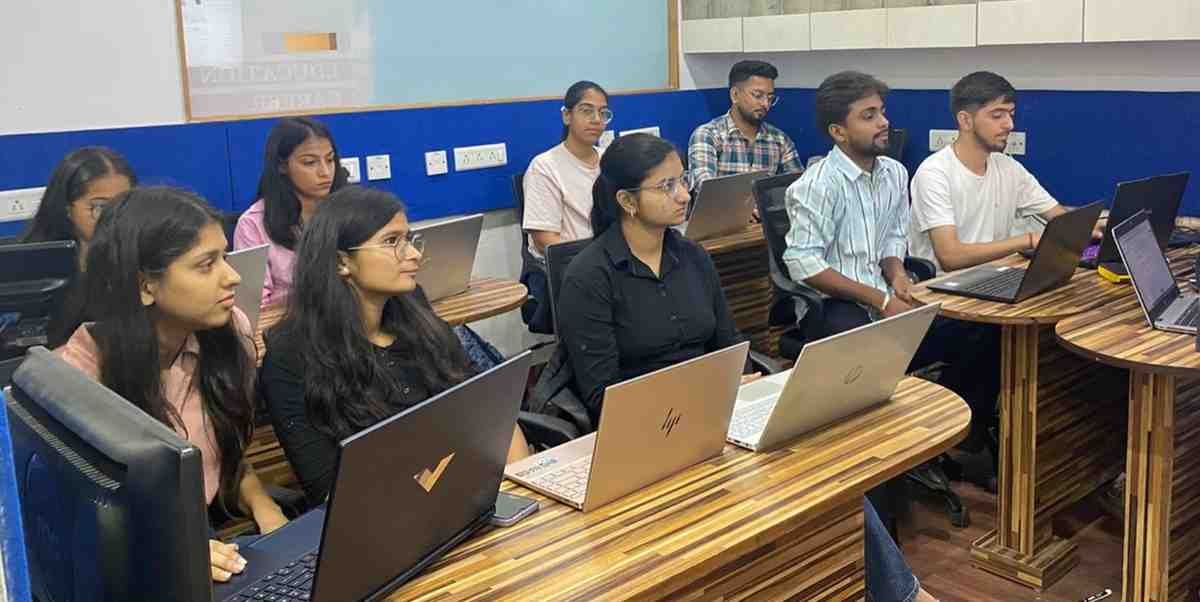
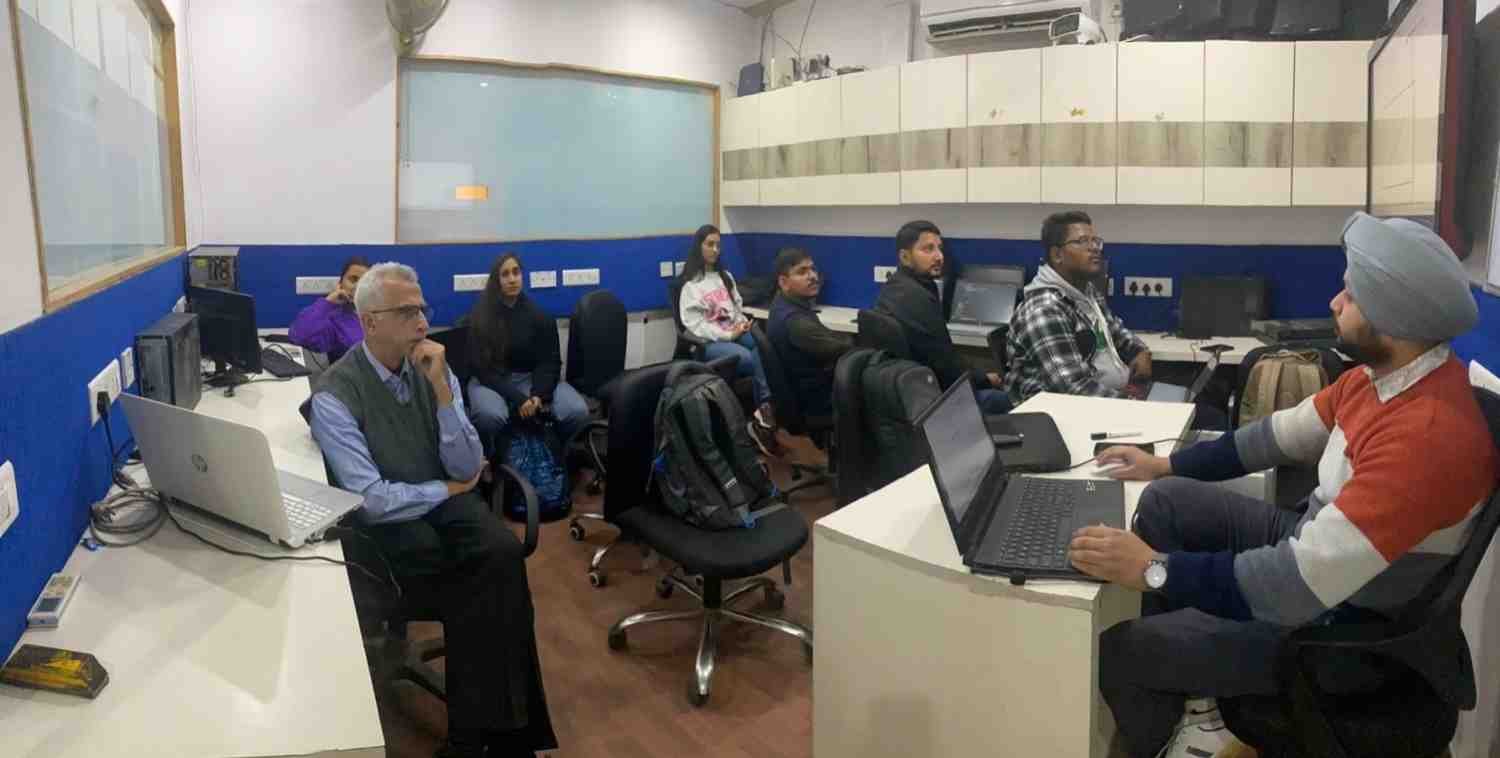
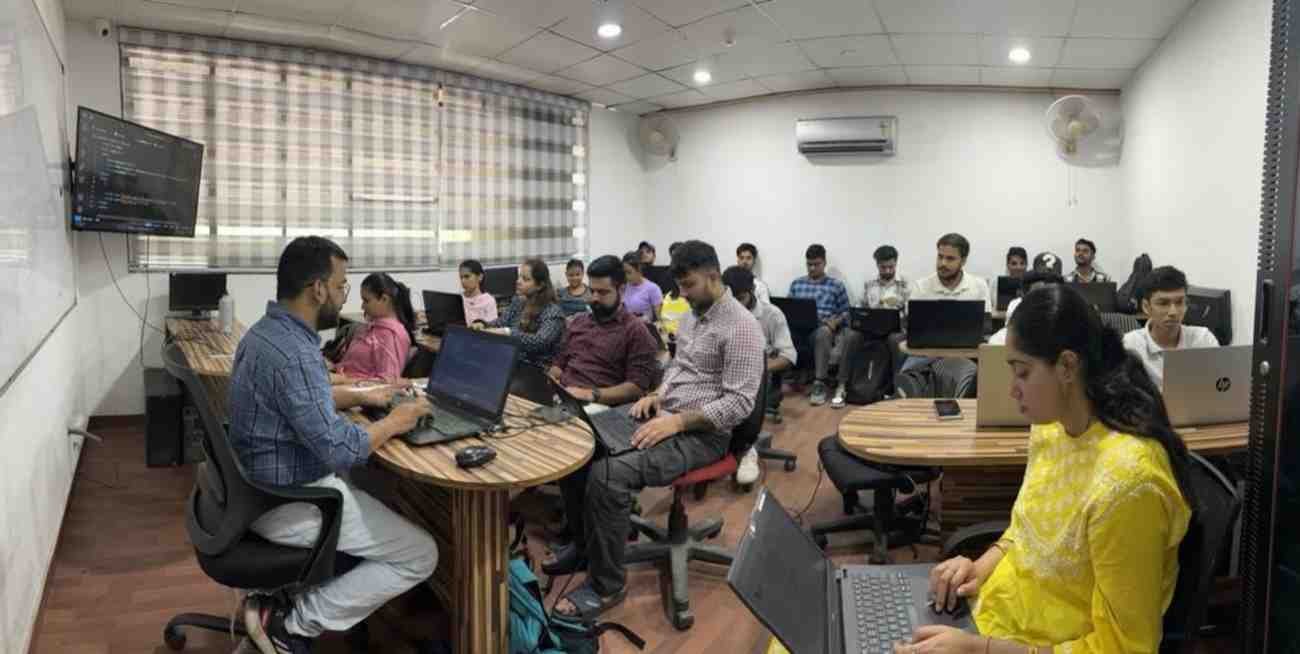
Gallery

















Cyber Security Career & Salary Outlook
The Importance of Cybersecurity
- Safeguarding sensitive data and critical infrastructure is paramount in the digital age.
- Cybersecurity is crucial across sectors, as cyber threats and attacks continue to escalate.
- Without effective cybersecurity, organizations face risks of data breaches, financial losses, and reputational damage.
Every business today from a small startup to a large MNC is a potential target for cybercriminals. That’s not scare tactics, that’s just the reality of working in a connected world. The good news? Skilled cybersecurity professionals are in serious demand, and a cyber security course in Chandigarh at Netmax Technologies, Sector 34-A, is one of the most practical ways to step into that role.
Our course covers everything from ethical hacking and network security to malware analysis and incident response using real tools like Kali Linux, Metasploit, and Wireshark. You won’t just learn concepts; you’ll work on live scenarios that mirror what actually happens inside IT security teams. Whether you’re a student doing industrial training or a professional looking to switch into cybersecurity, this course is built to make you job-ready not just certified.
Benefits of Learning Cyber security
- Protects Data and Privacy: Learn to secure personal, financial, and corporate data from real-world cyber threats.
- High Demand for Professionals: As cyberattacks rise, businesses everywhere are actively hiring skilled cybersecurity experts to secure their infrastructure.
- Strong Earning Potential: Cybersecurity professionals in India typically earn ₹4–10 LPA to start, with senior specialists and architects crossing ₹20–40 LPA one of the highest-paying entry points in IT.
- Career Flexibility: IT, healthcare, banking, and government all need cybersecurity experts your skills travel across industries.
- Continuous Learning: Threats keep evolving, so you’ll always be learning this is a field where staying sharp is part of the job, not extra work.
- Build a Resilient System: Learn to create, manage, and safeguard systems against hacking, viruses, and malware.
- Certification Edge: The course also builds your foundation toward globally recognized certifications like CEH, CompTIA Security+, and CISSP — credentials that directly boost hiring and salary potential.
Career Opportunities after completing Cyber Security Course
After completing this Cyber Security Course from Netmax Technologies, Chandigarh, you’ll be positioned for roles like:
- Cybersecurity Analyst: Monitor and respond to security breaches in real time.
- Ethical Hacker/Penetration Tester: Legally test systems to find vulnerabilities before real hackers do.
- Security Consultant: Advise organizations on implementing and managing secure systems.
- Network Security Engineer: Safeguard a company’s network infrastructure against unauthorized access.
- Security Architect: Design and implement systems built to withstand future threats.
- Chief Information Security Officer (CISO): Lead a company’s entire cybersecurity strategy and team.
Frequently Asked Questions
What is the duration of the cybersecurity course ?
The cyber security course at Netmax Technologies, Chandigarh is available for the duration of both 45 days and 3 months including 1.5 hours of classroom training and 1.5 hours of practical assignments.
What are the prerequisites for enrolling in Cybersecurity course?
For this cyber security course, there are no particular requirements. However, having a basic understanding of computers and the internet is helpful.
Is the course available online, or do I need to attend classes in person?
We provide classes both in-person and online. The format that best meets your needs can be selected.
What topics are covered in the cybersecurity course?
The course covers a wide range of topics, details of which can be found on our website.
Will I receive a certification upon completing the course?
Yes, you will receive a certification from our institute after completing the course successfully.
What practical experience will I gain during the course?
You will gain practical expertise with a range of website strategies and tools through the completion of case studies, real-world projects, and assignments.
Who are the instructors for the Cyber Security course?
Our professors are professionals in the field with years of experience. They bring practical knowledge and real-world insights to the classroom.
What kind of support will I receive during the course?
You will be able to communicate with teachers and other students in one-on-one mentorship sessions.
Do you provide career support?
Yes, we provide career support by helping in resume building, interview preparation, and job placement assistance.
How do I enroll in the Cybersecurity course?
By going to our website and completing the online registration form, you can register. As an alternative, you can come to our institute to finish the registration procedure.
What is the admission process?
Completing an application, attending a brief interview, and paying the course price are all part of the admissions process.
Are there any scholarships or discounts available?
Yes, we occasionally give out a variety of discounts. To learn more, please get in touch with our admissions office.
What kind of job roles can I expect after completing the course?
After completing a course in Cyber Security, you can pursue job roles such as AWS Engineer, Software architect, Systems administrator, AWS Cloud Architect, Cloud Developer and System engineer
Do you provide job placement assistance?
Yes, we offer job placement assistance through our network of industry partners.